
- Newsroom
- Published on:
Engineering the Future: Why Innovation Will Define India's Next Growth Story
Innovation is increasingly defining the future of global competitiveness, and India is playing a pivotal role in that transformation. As industries embrace digital engineering, artificial intelligence, and next-generation product development, research and development has become a strategic driver of growth rather than just a supporting function.
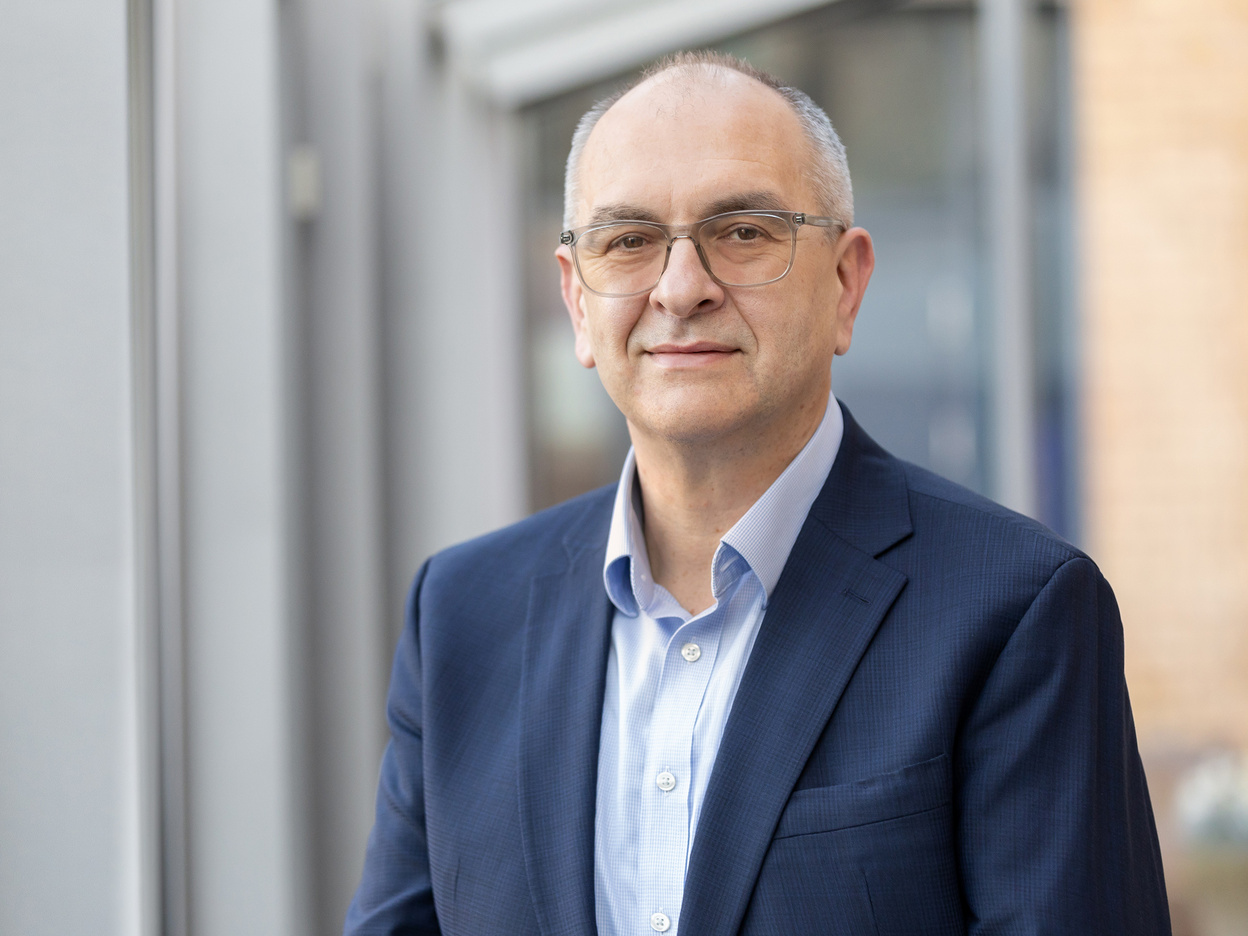
In this interview, Bernd Otto Hörmann, CEO of MHP India, shares his insights on the role of R&D, engineering excellence, and cross-sector collaboration in driving India's next wave of innovation-led growth.
Hamsa Yogitashri: Bernd, thank you for this interview. Much of the conversation around Make in India focuses on manufacturing. Why do you believe R&D deserves equal attention?
Bernd Otto Hörmann: Manufacturing creates capacity, but R&D creates competitiveness. Nations that consistently invest in research and innovation are the ones that shape industries rather than participate in them. For India, the opportunity is not just to manufacture products for the world but to design, engineer and continuously improve them here. That shift generates intellectual property, strengthens resilience, and creates long-term value across the entire industrial ecosystem.
Hamsa Yogitashri: How has India's role in global engineering evolved over the last decade?
Bernd Otto Hörmann: India has moved well beyond being a destination for execution. Today, engineering teams here contribute to product strategy, software-defined development, digital engineering, AI, and complex systems integration. We increasingly see Indian teams leading global innovation programs rather than supporting them. This evolution reflects both the depth of local talent and the growing confidence multinational organisations have in India's engineering capabilities.
Hamsa Yogitashri: What role do Global Capability Centres play in strengthening India's innovation ecosystem?
Bernd Otto Hörmann: Modern GCCs are becoming innovation engines rather than traditional support centres. They bring together multidisciplinary teams that work across engineering, software, data, AI, and business transformation. When these capabilities operate within a global network, they accelerate innovation and create solutions that can be deployed worldwide. This is where India can make an even greater contribution, not only by delivering projects, but by creating technologies that influence global industries.
Hamsa Yogitashri: Collaboration is often described as essential for innovation. What partnerships matter most?
Bernd Otto Hörmann: Innovation rarely happens in isolation. Strong collaboration between industry, academia, startups, research institutions, and government creates an environment where ideas can move more quickly from research to real-world application. These partnerships also help develop future-ready talent by ensuring education keeps pace with emerging technologies and industry needs.
Hamsa Yogitashri: Looking ahead, what will define India's success as an innovation-driven economy?
Bernd Otto Hörmann: The next phase of India's growth will be measured not only by what we manufacture but by what we invent. Organisations that combine engineering excellence with AI, software-defined development, digital twins, and continuous innovation will create lasting competitive advantage. If India continues investing in talent, research, and collaborative innovation, it has every opportunity to become one of the world's leading destinations for advanced engineering and product development.

Ann Holz
Spokesperson International & Corporate, SAP Enterprise
MHP Newsroom
Need information about MHP or our services and expertise? We are happy to help and will gladly provide you with current information, background reports, and images.