
- Newsroom
- Veröffentlicht am:
Critical Infrastructure under Pressure: Live Demonstration of Modern Drone Detection and Defense Capabilities
- Live demonstration of drone detection under real-world conditions showed how drones can be detected, identified, and assessed
- Turning data into situational awareness: How AI and sensor fusion support security operators in building a comprehensive operational picture
- Rethinking security: Why operators of critical infrastructure must integrate cyber and physical security
Ludwigsburg/Stuttgart – Today, critical infrastructure must be protected against more than just cyberattacks. Sabotage, espionage, and unmanned aerial systems have expanded the threat landscape to include a significant physical dimension. At the same time, security and surveillance systems are becoming increasingly interconnected through digital technologies, making them an integral part of the broader cybersecurity architecture.
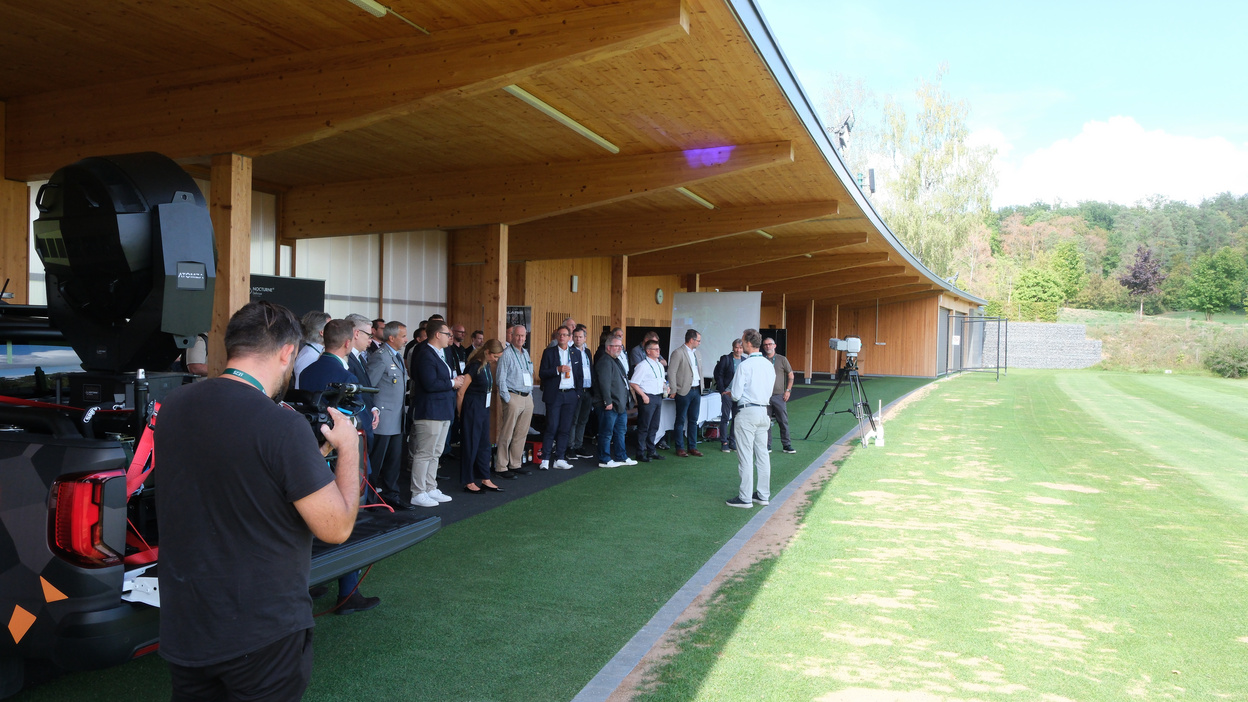
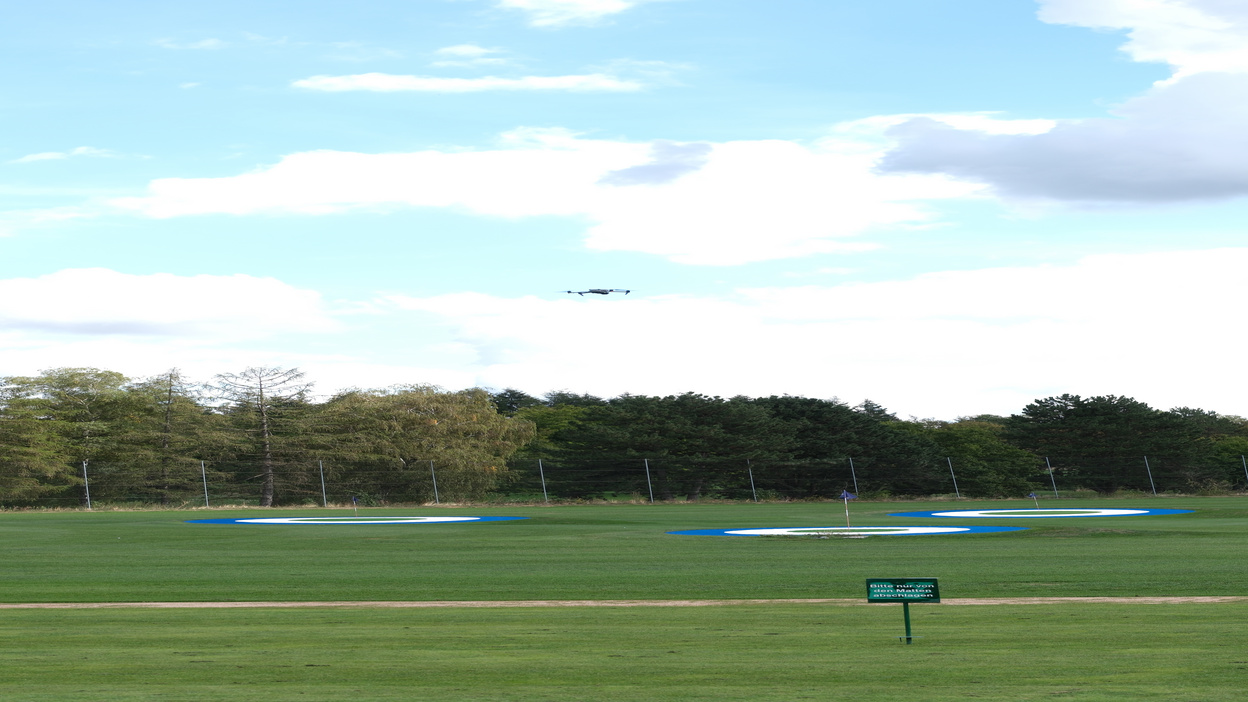
As part of a live demonstration, drones were flown into a defined airspace under controlled conditions, simulating the intrusion of unauthorized aerial objects. Invited guests were able to follow each stage of the detection and assessment process in real time.
“Critical infrastructure today requires a holistic understanding of security. In addition to cybersecurity and traditional physical protection measures, the early detection of potential airborne threats is becoming increasingly important,” said Henning Schulze, Partner, Member of the Management Board and Head of the External Market at the management and IT consultancy MHP.
Protecting Critical Infrastructure becomes a Holistic Security Challenge
At the core of the demonstration was an AI-enabled Command-and-Control (C2) system that integrates sensor information from radar, RF, and EO/IR systems into a unified operational picture. Radar provides physical detection of aerial objects, RF sensors analyze radio signatures and communication links, while optical, thermal imaging, and night vision systems support visual identification.
Using advanced sensor fusion, data from these different sources is consolidated and analyzed in real time by AI-driven algorithms. The system detects potential drones, classifies their behavior, prioritizes threats, and supports security personnel in rapidly assessing the situation. Its modular architecture allows sensor configurations to be flexibly adapted to different operational scenarios and protection requirements.
“Critical infrastructure must be resilient against a wide range of threats. Technologies such as AI-powered drone detection are an important building block, but their full value is realized only when they are embedded within an integrated security architecture,” explained Ulrike Dreyer, Head of Defense and KRITIS Solutions at Intelligent Energy System Services GmbH.
The demonstration also showed how modern systems can distinguish between ordinary aerial objects and potential threats. In addition to flight behavior and flight paths, a variety of other factors are incorporated into the assessment process. The objective is to reduce false alarms while enabling a rapid response to potential risks.
The technological foundation of the demonstration is Walaris’ AI-powered drone detection technology. The company is among the leading specialists in the automated detection, classification, and analysis of drones and demonstrated on-site how advanced sensors and Artificial Intelligence work together to identify potential airborne threats at the earliest possible stage.
Physical Security becomes Part of the Cybersecurity Architecture
MHP supported the demonstration as a system integrator and cybersecurity expert. Modern drone detection extends far beyond radar and cameras. Operators of critical infrastructure require solutions that connect existing security, control room, and surveillance systems while simultaneously meeting stringent cybersecurity requirements.
The management and IT consultancy supports companies, public authorities, and operators of critical infrastructure in integrating different sensor and security technologies into a unified security architecture and protecting them against tampering and cyberattacks.
The event underscored a development that experts have observed for years: while traditional security measures have primarily focused on protecting assets on the ground, airborne threats are becoming increasingly relevant. As a result, modern drone detection is evolving into a key component of holistic security concepts for critical infrastructure and other sensitive environments.
Insights from the Demonstration
Journalists attending the event were given direct insight into the solution’s operational picture and user interface. Monitors displayed radar tracking, optical identification, AI-supported classification, and the fusion of sensor data into a single, integrated situational awareness platform.
The demonstration took place on a designated outdoor area at the Stuttgart Golf Club Solitude. The simulated drone flights enabled participants to observe the detection, identification, and assessment of an aerial object in a realistic operational scenario.
About Intelligent Energy System Services GmbH (IE2S)
Intelligent Energy System Services GmbH (IE2S) is a joint venture between MHP – A Porsche Company and TransnetBW GmbH. The company combines the expertise of MHP in technology and digitalization with TransnetBW’s deep knowledge of energy systems and grid operations. Together, IE2S develops solutions for secure, resilient, and digitally connected energy infrastructure, particularly at the intersection of energy, digital transformation, and critical infrastructure.
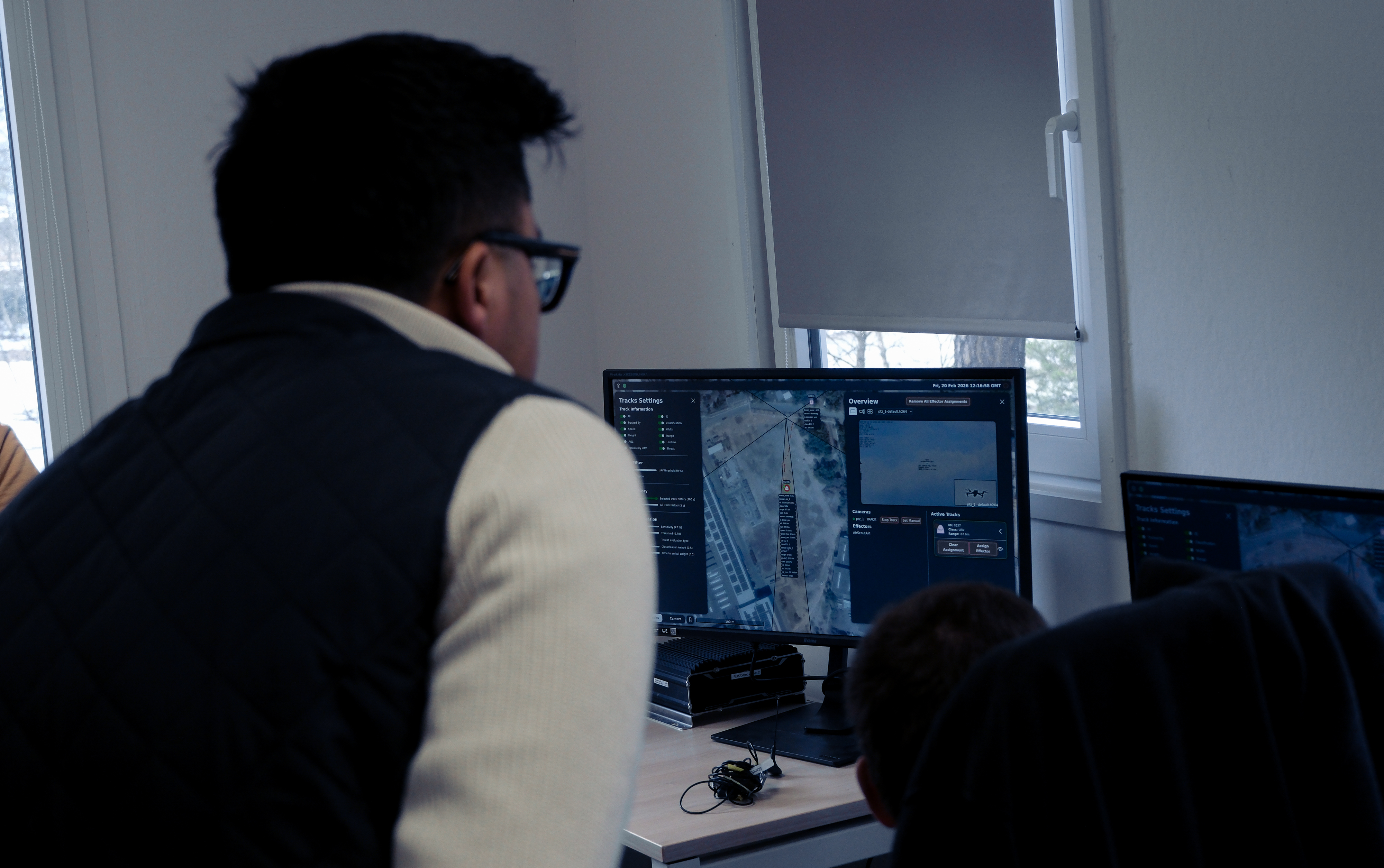
Today, critical infrastructure must be protected against more than just cyberattacks. Sabotage, espionage, and unmanned aerial systems have expanded the threat landscape to include a significant physical dimension. (photo: MHP)
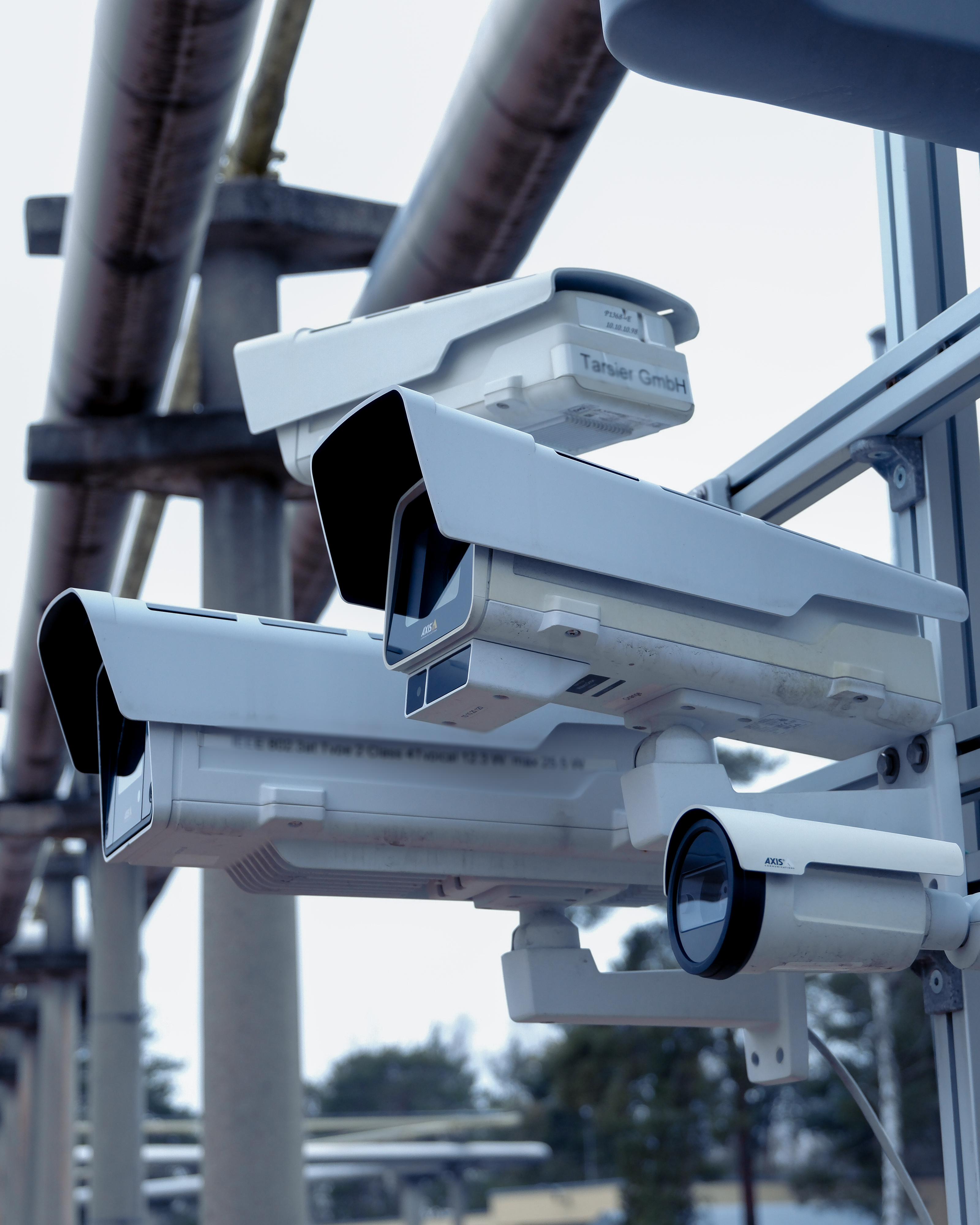
Critical infrastructure today requires a holistic understanding of security. (photo: MHP)
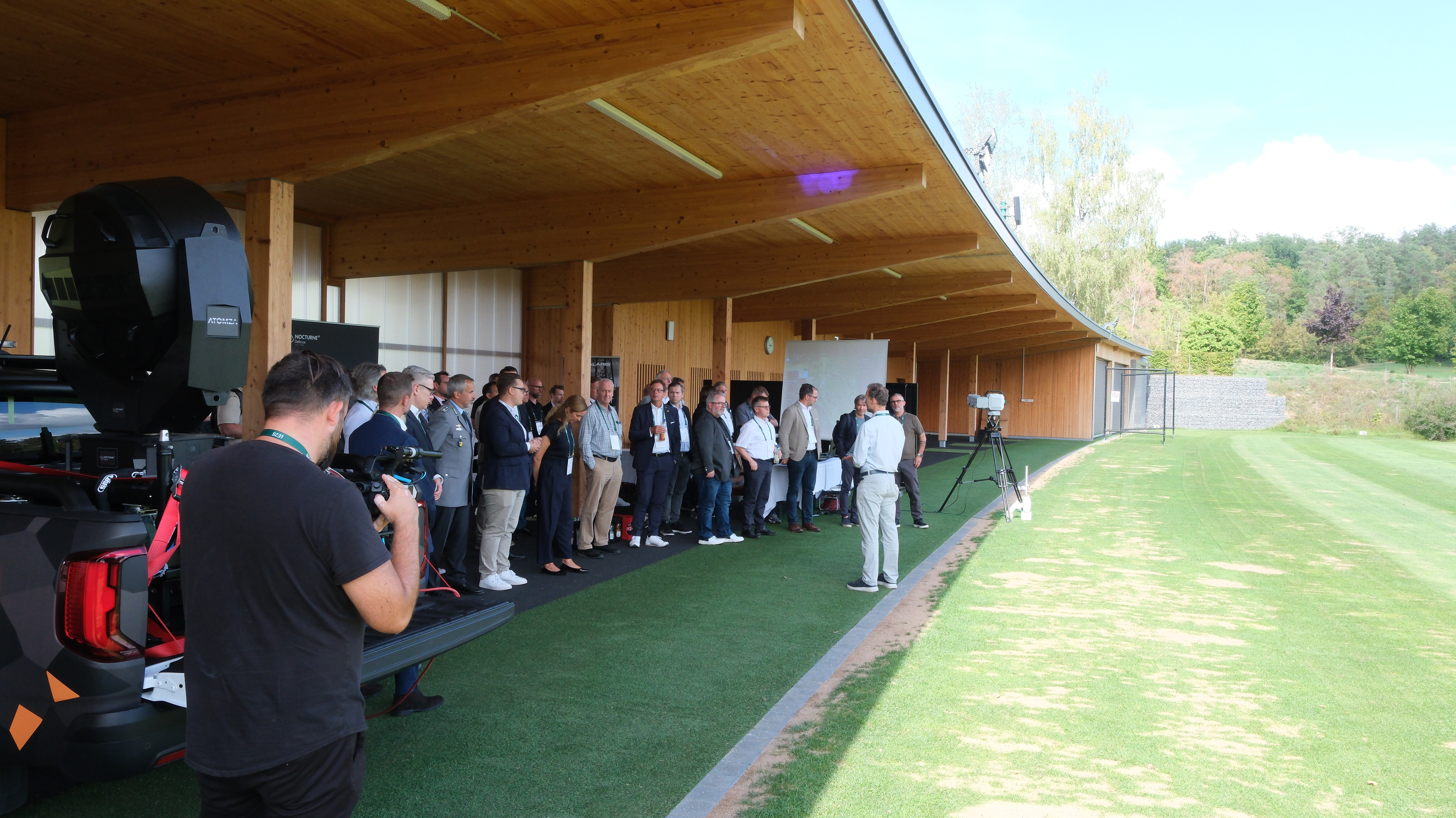
As part of a live demonstration, drones were flown into a defined airspace under controlled conditions, simulating the intrusion of unauthorized aerial objects. Invited guests were able to follow each stage of the detection and assessment process in real time. (photo: MHP)
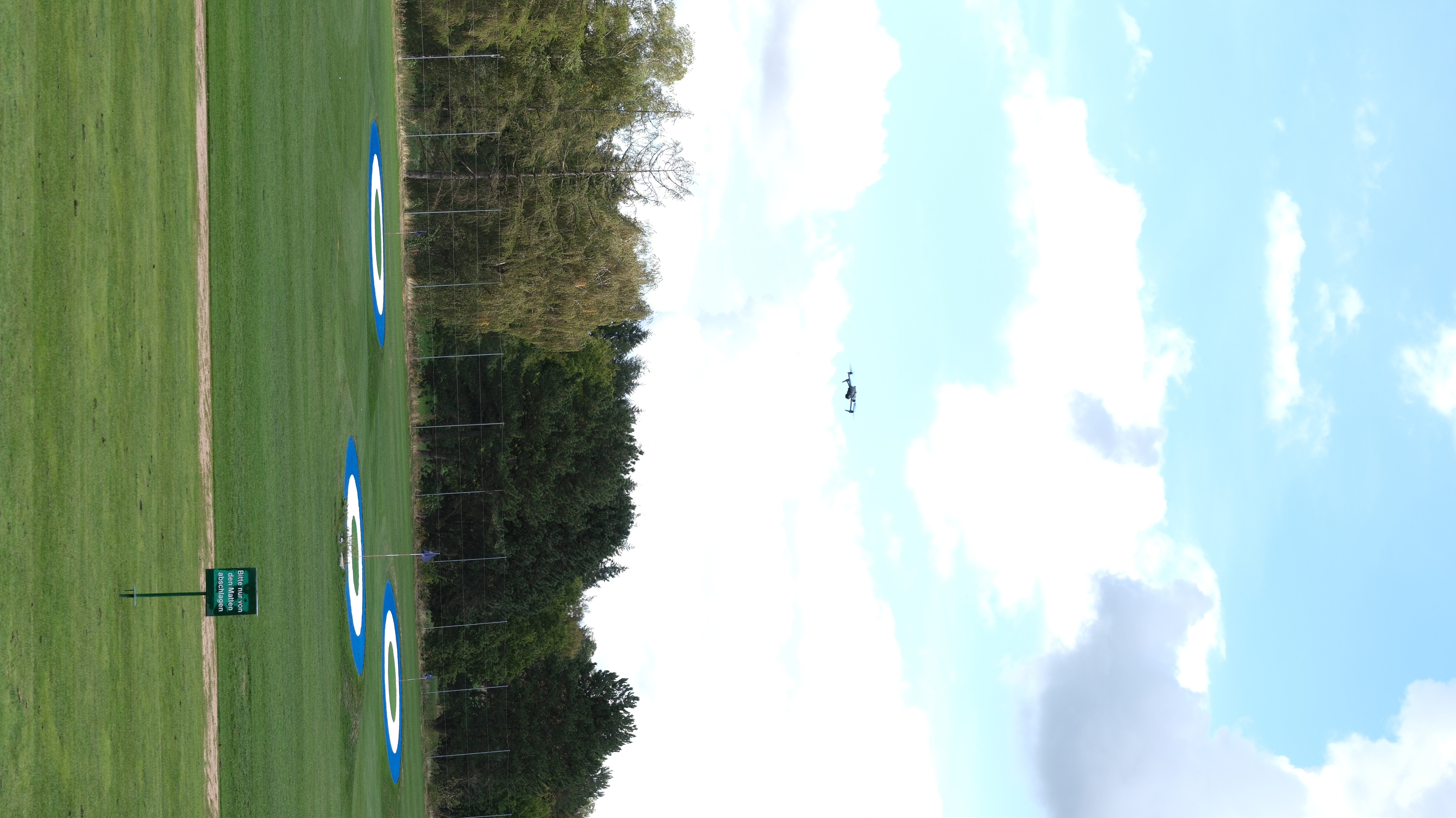
A live demonstration of drone detection under real-world conditions showed how drones can be detected, identified, and assessed. (photo: MHP)

Henning Schulze, Partner, Member of the Management Board and Head of the External Market at the management and IT consultancy MHP (photo: MHP)

Ulrike Dreyer, Head of Defense and KRITIS Solutions at Intelligent Energy System Services GmbH (photo: Intelligent Energy System Services GmbH)





Benjamin Brodbeck
Leitung Presse- und Öffentlichkeitsarbeit

Mirko Geyer
Sprecher KI, Cybersicherheit, Luft- und Raumfahrt & Verteidigung
MHP Newsroom
Sie benötigen Informationen zu MHP oder zu unseren Leistungen und Kompetenzen? Gerne unterstützen wir Sie mit aktuellen Informationen, Hintergrundberichten und Bildern.